
The Future of US Manufacturing is Automation
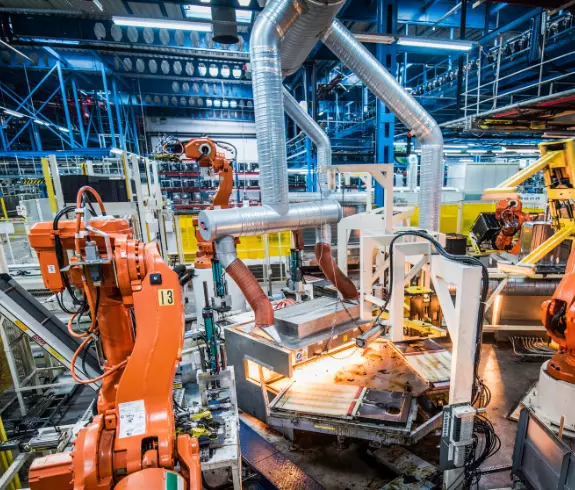
According to a study from Deloitte and the Manufacturing Institute, there will be over 2 million unfilled manufacturing jobs by 2030. As United States manufacturers, we need to implement automation to keep our competitive edge over foreign markets.
Why You Should Review Your Automation Strategy Now.

Having clear and focused strategies in place is important for every business to be successful. Do you have an automation strategy?
DDS Surpasses 2022 Sales Target, Shattering the Record for the Third Consecutive Year

Dynamic Design Solutions, a company that provides custom automation and systems integration to discrete manufacturing companies, announced today that they have surpassed their 2022 sales target, now three years in a row with still one month remaining in the 2022 FY.
A Beginner’s Guide to Industrial Automation
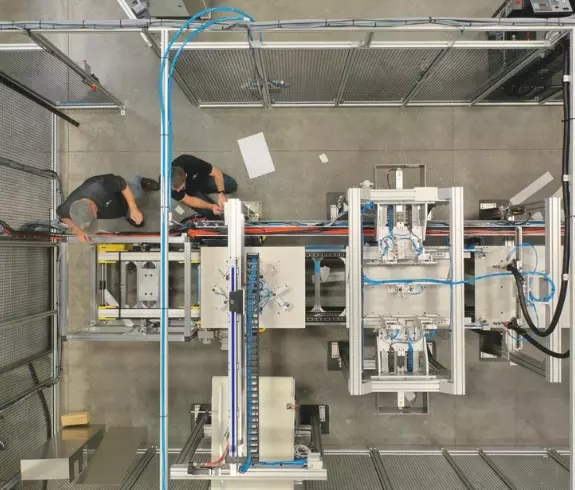
Today’s ever-increasing competition in all industries forces businesses to consistently produce high quality products at a fair market price. Companies need to be thinking of new, innovative ways to stay competitive in today’s market, and one of the most prevalent ways to do so is through industrial automation.
Dynamic Design Solutions Acquired by Addtronics
Dynamic Design Solutions, LLC, a company that provides custom automation and systems integration to discrete manufacturing companies, announced today their acquisition by Addtronics.
3 Questions to Ask Yourself when You’re Thinking about Implementing Robots On Your Plant Floor
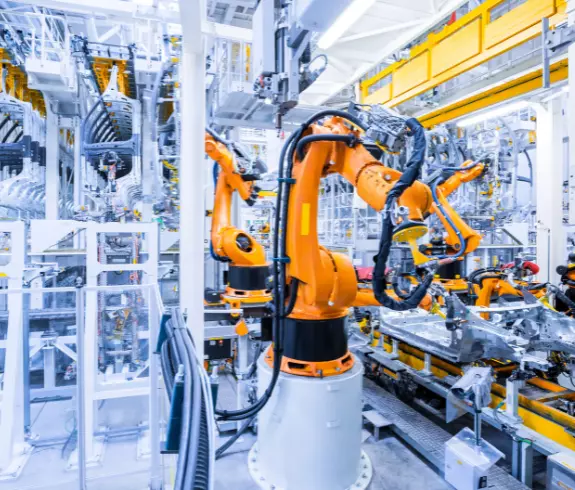
Are you looking to implement robots on your plant floor? Check out this infographic on three questions to ask yourself before adding robots on your floor.
Dynamic Design Solutions Announces Best Sales Year on Record in Back-to-Back Fiscal Years

Dynamic Design Solutions announced today that they have achieved their best sales year on record in back-to-back fiscal years; They have also reached a milestone that less than 1% of all US businesses reach.
3 Recommendations for a Digital Transformation in Manufacturing

As a company that’s worked in manufacturing and specifically automation for over 25 years, these are our three recommendations to get connected and get real time visibility. Start small, understand your challenges, and then scale and find a partner that can coach you through your digital transformation.
Next Steps to Implement Automation
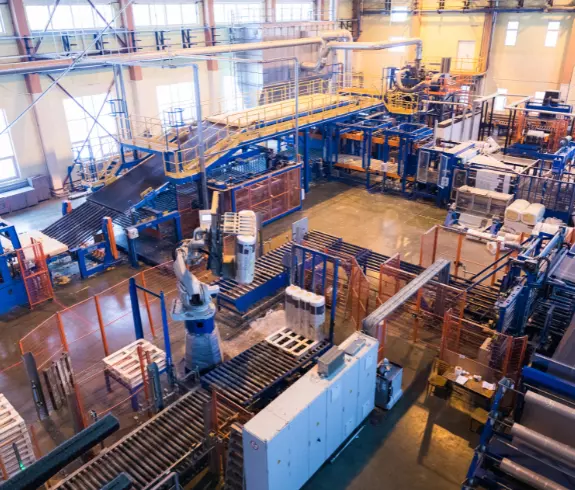
Are you a manufacturer in need of automation? Are you wondering how to get started? Here are the next steps once you have identified a need for automation within your company.
Advantages of Implementing Automation Technology

Do you want to increase productivity, optimize costs, improve product quality, increase profitability, and increase safety? Check out the following infographic for the advantages of implementing automation technology.